Resilience key to Iran’s tourism survival under difficult conditions: HEGTA chief
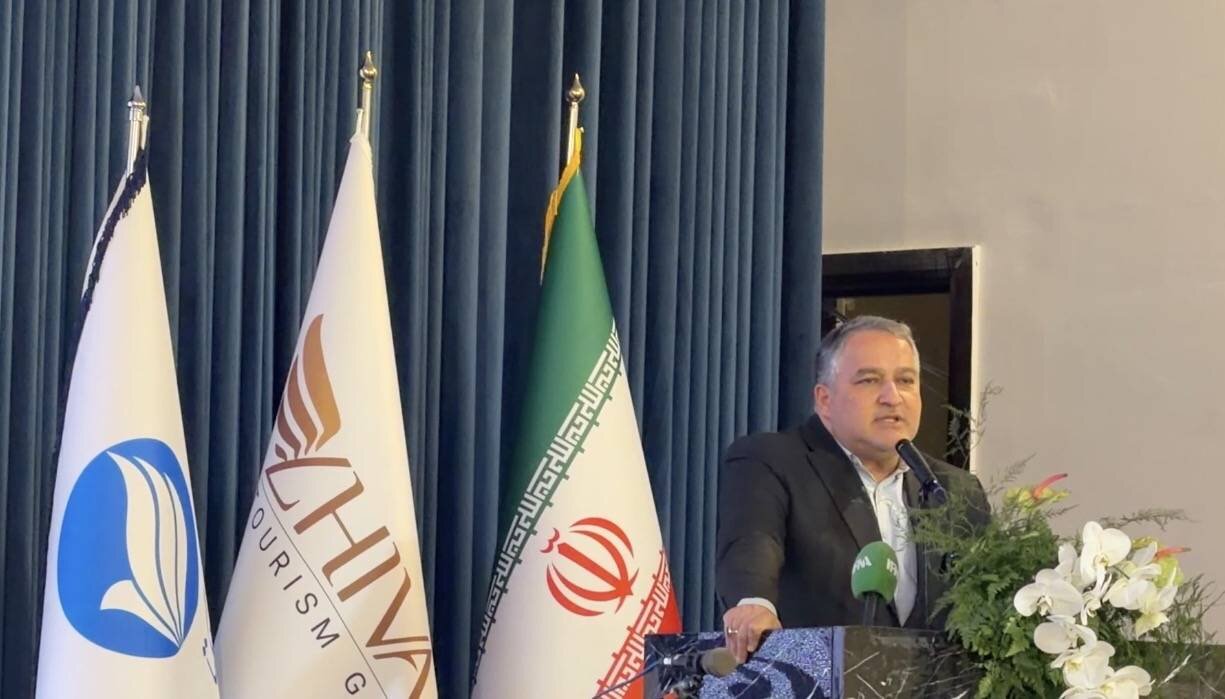
TEHRAN - Resilience and a fundamental rethink of planning are essential for Iran’s tourism sector as rising travel costs, transport and investment constraints, sanctions and regional conditions put pressure on the industry, the head of the Tourism Group of Iran’s Social Security Organization (HEGTA) said on Friday.
Alireza Tabesh said the main challenge was no longer simply increasing demand, but turning Iran’s extensive tourism resources into marketable products that create economic and social value.
He made the remarks at a ceremony marking the end of Tourism Week and the celebration of Mehregan at Tehran’s Homa Hotel, attended by tourism industry professionals, hoteliers, tour operators, guides and journalists.
“The question is why there is still such a gap between these extensive capacities and their actual share of the tourism economy,” he said, describing tourism as an interconnected chain in which destinations, transport, accommodation, services, storytelling, local communities, sales and the travel experience must work together.
Tabesh said declining household purchasing power did not mean the end of travel demand, but was changing travel patterns. Shorter, closer and more affordable trips could provide part of the sector’s response to current economic conditions, he added.
He also stressed the importance of Iran’s living cultural heritage as a tourism resource. Nowruz, Yalda and Mehregan, he said, are not merely calendar events but expressions of a living cultural memory that can be transformed into meaningful travel experiences.
“Mehregan, with its links to nature, the harvest season, family, community, music, food and collective rituals, can become more than a cultural occasion; it can become a travel experience,” he said.
He then called for locally rooted tourism products that connect cultural traditions with accommodation, transport, food, handicrafts, heritage, nature and local businesses, while protecting cultural authenticity and ensuring that local communities share in the economic benefits.
Tabesh said HEGTA could connect its capacities in hotel management, transport and organized travel to develop marketable tourism products. He also urged greater cooperation among government bodies, municipalities, private companies, cultural institutions and transport operators.
Technology, data and artificial intelligence, he added, should move beyond slogans and be used to understand markets, improve decision-making and design products suited to travelers’ needs.
“Hope in tourism emerges when we recognize realities, prepare for different scenarios and use existing capacities to create value and social vitality,” Tabesh said.
AM
Leave a Comment